**Title: The Debate Over Saber Interactive’s *Rideshare Stimulator*: AI and the Future of Game Writing**
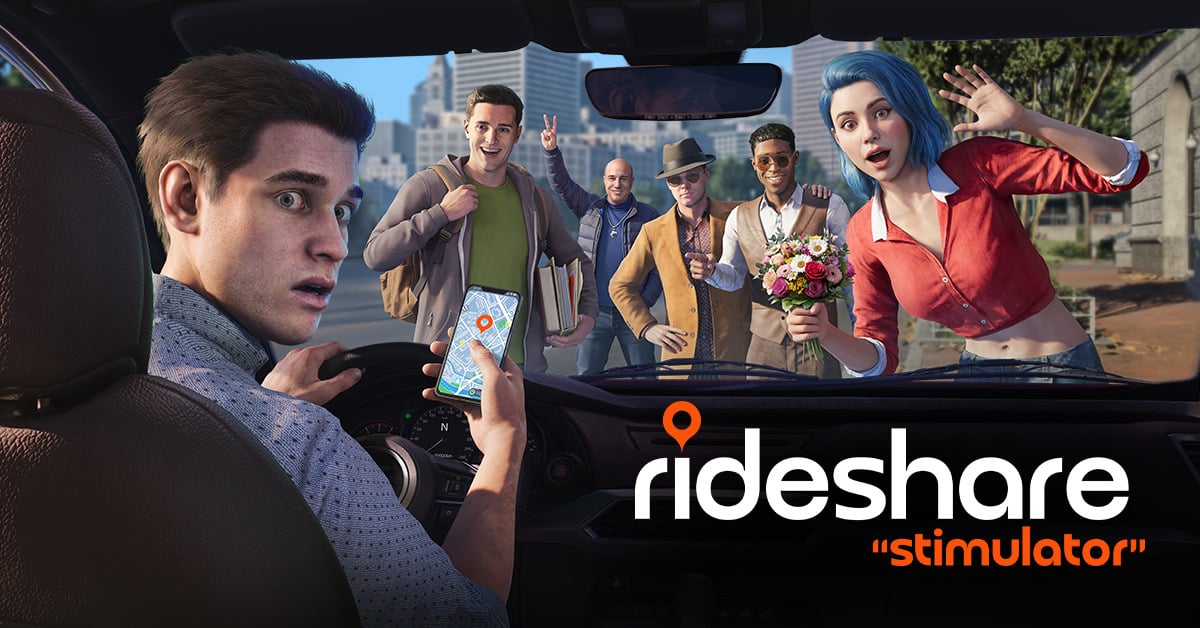
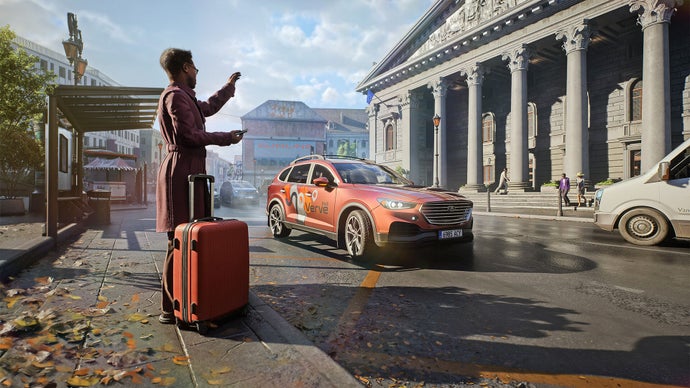
Recently, Saber Interactive launched *Rideshare Stimulator*, a title that evokes the spirit of *Crazy Taxi* while providing a critique of late-stage capitalism. Initially, the announcement generated excitement, but it soon became a source of controversy after former writer Stella Sacco alleged that she was supplanted by AI during the development phase.
Sacco publicly expressed on Bluesky, “I was the lead writer on this project! And Saber swapped me for ChatGPT halfway through development.” This claim drew significant attention, particularly in a gaming sector already addressing the ramifications of artificial intelligence on creative professions. Sacco stressed that not only was her role taken over, but every passenger voice in *Rideshare* was produced by AI.
This isn’t the initial instance of Sacco raising alarms about AI’s infiltration into her creative work. In December, she revealed that she had been “replaced” by AI on another undisclosed project. Her recent remarks concerning *Rideshare* imply that the choice to incorporate AI into the writing process came from Saber Interactive, the publisher, rather than UNIGINE, the developer behind the game.
In reply to Sacco’s allegations, Saber Interactive provided a rebuttal to *PC Gamer*, asserting, “Neither Saber nor Unigine have replaced any writers with AI for *Rideshare* or any other title.” They further maintained that the narrative was solely developed by human writers, yet acknowledged the usage of generative AI to create dialogue for the game’s extensive roster of NPC passengers. Saber clarified that the demand for accommodating an “infinite” array of passengers influenced this decision, illustrating a clear position on using AI to enhance gameplay experiences and NPC interactions.
Nevertheless, the inconsistency in Saber’s response has drawn attention. In light of their statement, Sacco commented that although Saber claimed the narrative was crafted by humans, they simultaneously recognized the application of AI-generated text and voices. This has resulted in confusion and distrust regarding the level of AI’s involvement in the game’s development process.
The ramifications of this controversy underscore a continuing discussion within the gaming industry about AI’s role in creative domains. As technology progresses, striking a balance between leveraging AI for efficiency and maintaining the artistry of narrative writing remains a significant challenge. The dialogue surrounding *Rideshare Stimulator* exemplifies how such technologies can influence not just the end product but also the professionals who create the narratives we interact with in games.
As the industry observes this situation develop, it raises essential questions about the future of game writing, the moral implications of AI usage, and the significance of human creativity in a progressively automated landscape.